
 العربية
 Русский
 Türkçe

Spec. Dr.
Pediatric Immunology,
Pediatric Allergy,
Child Health and Diseases


Pediatric Immunology,
Pediatric Allergy,
Child Health and
Diseases – To Make an Appointment

Contact Us
Personalized
Diagnosis and Treatment
Approach
Children’s development is a complex process influenced by genetic, environmental, and social factors together. Therefore, for accurate diagnosis and effective treatment, every child should be evaluated individually within their own dynamics.
Respiratory Allergies
Early diagnosis in allergic diseases ensures effective treatment.
Drug, Insect and Bee Allergies
Immunotherapy provides long-term control of sensitivity.

Skin Allergies
Targeted treatment helps bring allergies under control.
Food Allergies
In allergic diseases, accurate diagnosis prevents complications.

Spec. Dr. Ali Demirhan
Pediatric Allergy and Immunology Specialist in Mersin
Dr. Ali Demirhan is a Pediatric Allergy and Immunology Specialist in Mersin, specialized in the diagnosis and treatment of allergic diseases and immune system disorders in children.
He provides comprehensive evaluation and treatment for conditions such as asthma, allergic rhinitis, eczema, food allergies, and immune deficiencies.
Dr. Ali Demirhan creates personalized diagnosis and follow-up plans according to each child’s age, lifestyle, and genetic characteristics. Allergy tests, immune system analyses, and medication treatments are carried out with scientific accuracy.
An experienced Pediatric Allergy and Immunology Specialist in Mersin, Dr. Ali Demirhan investigates the underlying causes of symptoms such as frequent recurrent infections, chronic cough, skin rashes, and shortness of breath in children. He collaborates with other specialties in a multidisciplinary manner when necessary.
Dr. Ali Demirhan emphasizes the importance of balanced nutrition, regular follow-up, and family education in strengthening the immune system in children. His goal is to ensure that children are protected from allergic diseases and live a healthy and comfortable life.












Areas of Expertise
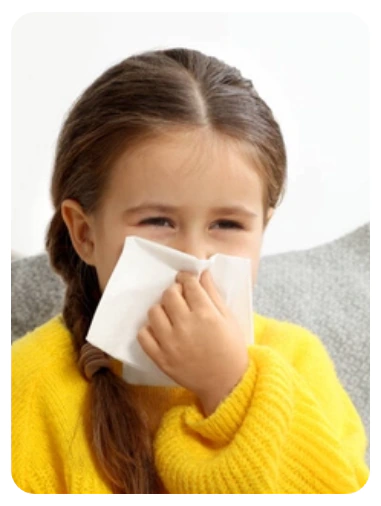
Respiratory Allergies
- Allergic Rhinitis (Hay Fever)
- Asthma and Wheezing in Children
- House Dust, Pollen, and Mold Allergies
- Pulmonary Function Tests
- Allergy Vaccine (Immunotherapy) Applications
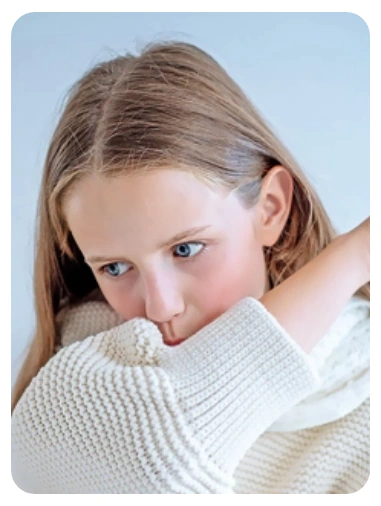
Skin Allergies
- Atopic Dermatitis (Eczema)
- Urticaria (Hives) and Angioedema
- Contact Dermatitis
- Allergic Rashes and Skin Tests
- Personalized Treatment Approaches in Skin Allergies

Food Allergies
- Milk, Egg, Nut, Peanut, and Gluten Allergies
- Diagnosis of Food Allergies (Prick Test, Specific IgE, Elimination Diet)
- Anaphylaxis (Severe Allergic Reaction) Management
- Food Tolerance (Oral Provocation) Tests
- Eczema and Digestive Problems Related to Food Allergies in Children
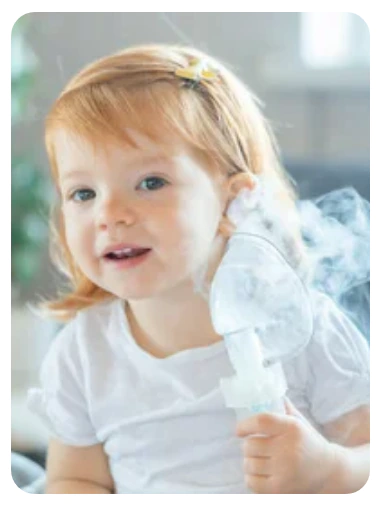
Drug, Insect, and Bee Allergies
- Penicillin and Other Drug Allergies
- Allergic Reactions to Bee and Insect Stings
- Diagnosis and Treatment of Anaphylaxis
- Skin Tests and Drug Sensitivity Tests
- Immunotherapy (Allergy Vaccine) for Bee Allergy
Why Is Allergy Follow-Up Important in Children?

Allergies are among the most common health problems affecting children’s daily lives. However, with proper follow-up and regular check-ups, this condition becomes manageable.
Thanks to regular allergy follow-up, you can learn what your child is sensitive to, keep symptoms under control, and improve quality of life.
– Allergic Respiratory Diseases
– Food Allergies
– Skin Allergies
– Immune System Evaluation
– Allergy Vaccine Applications
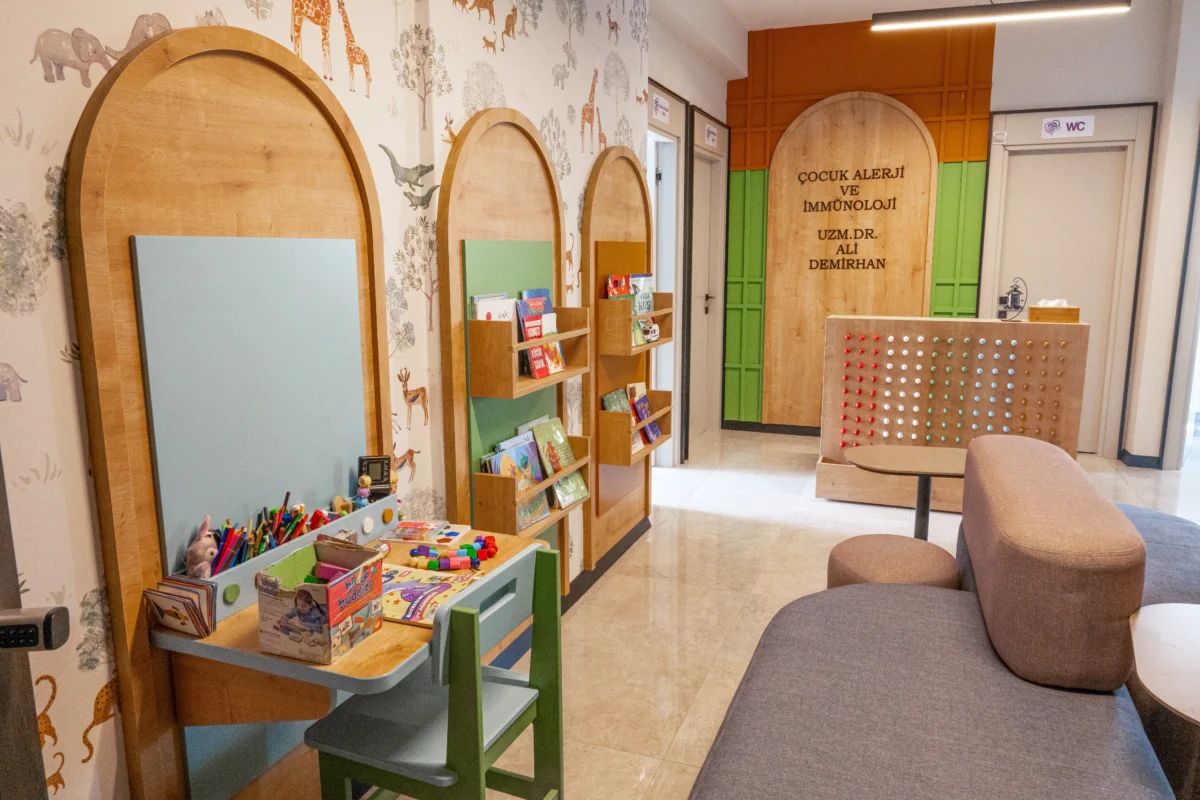
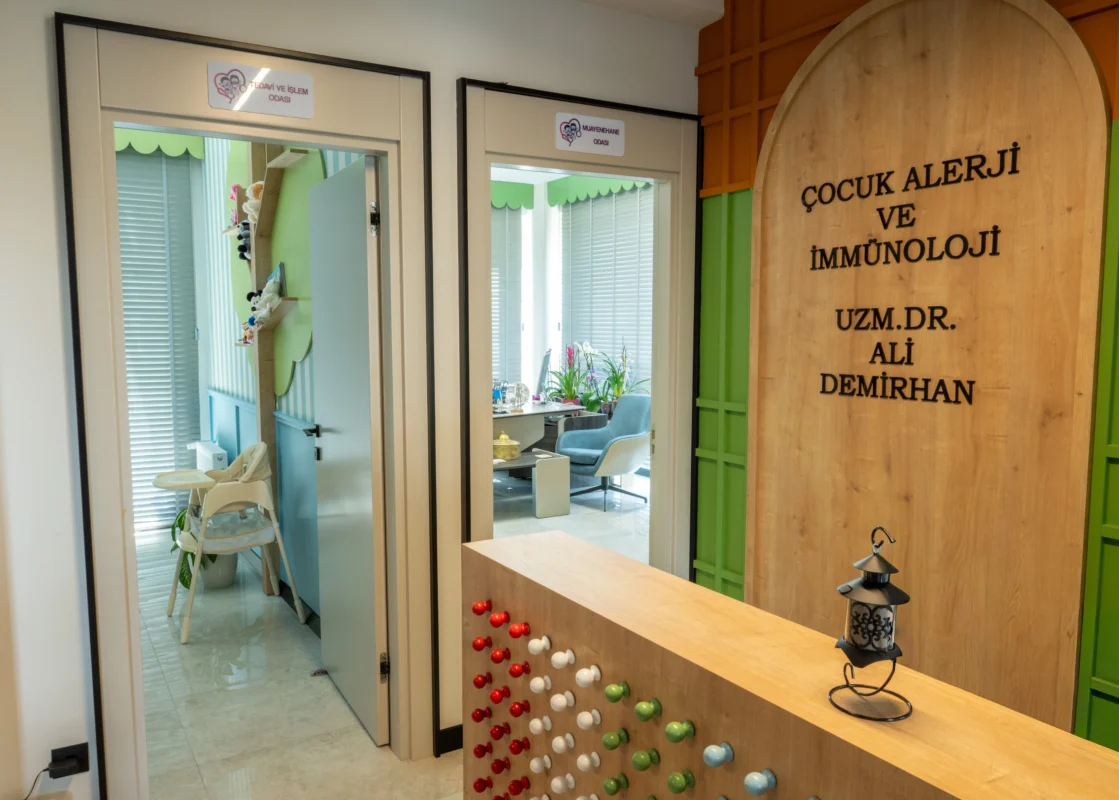
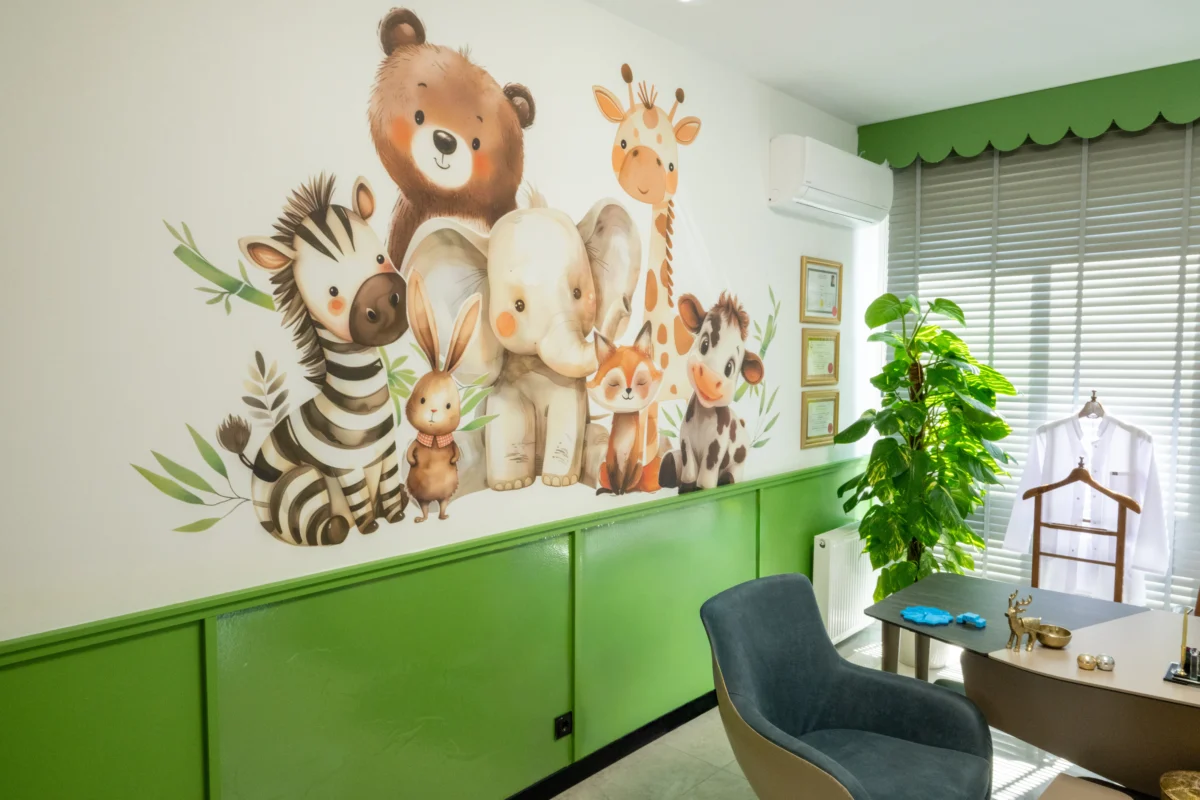
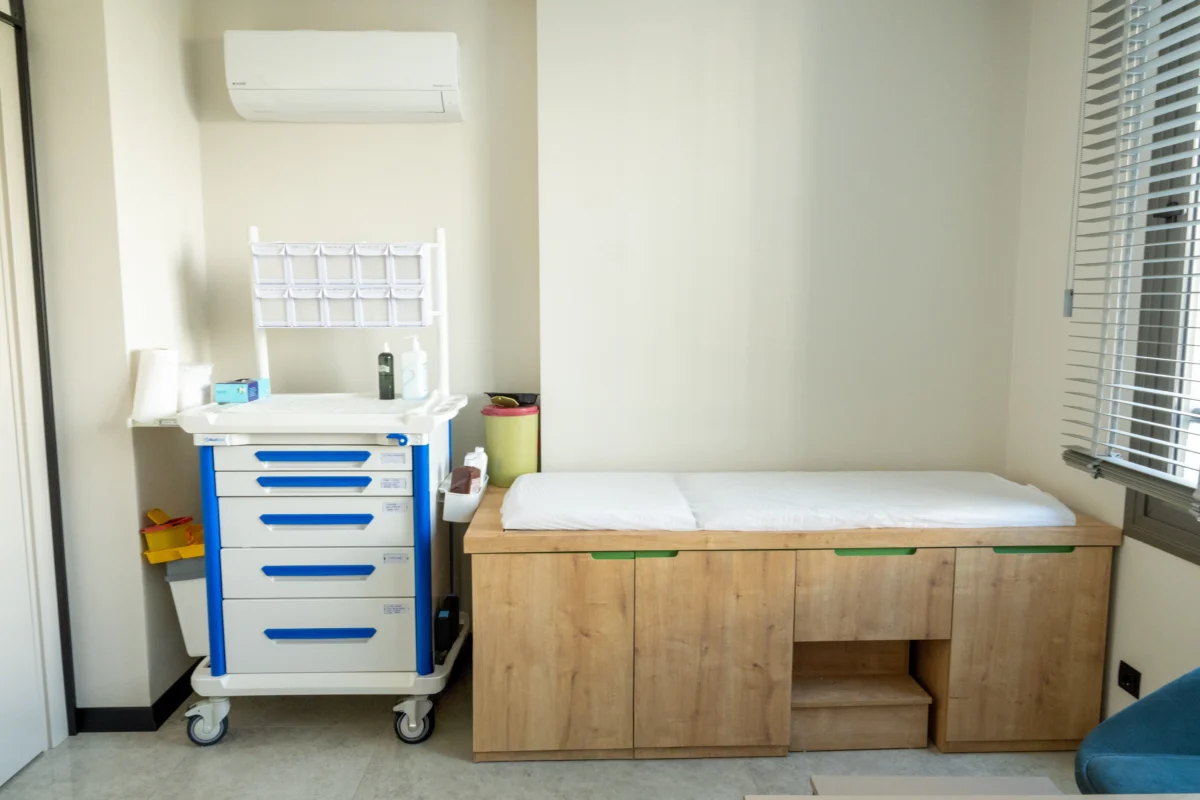
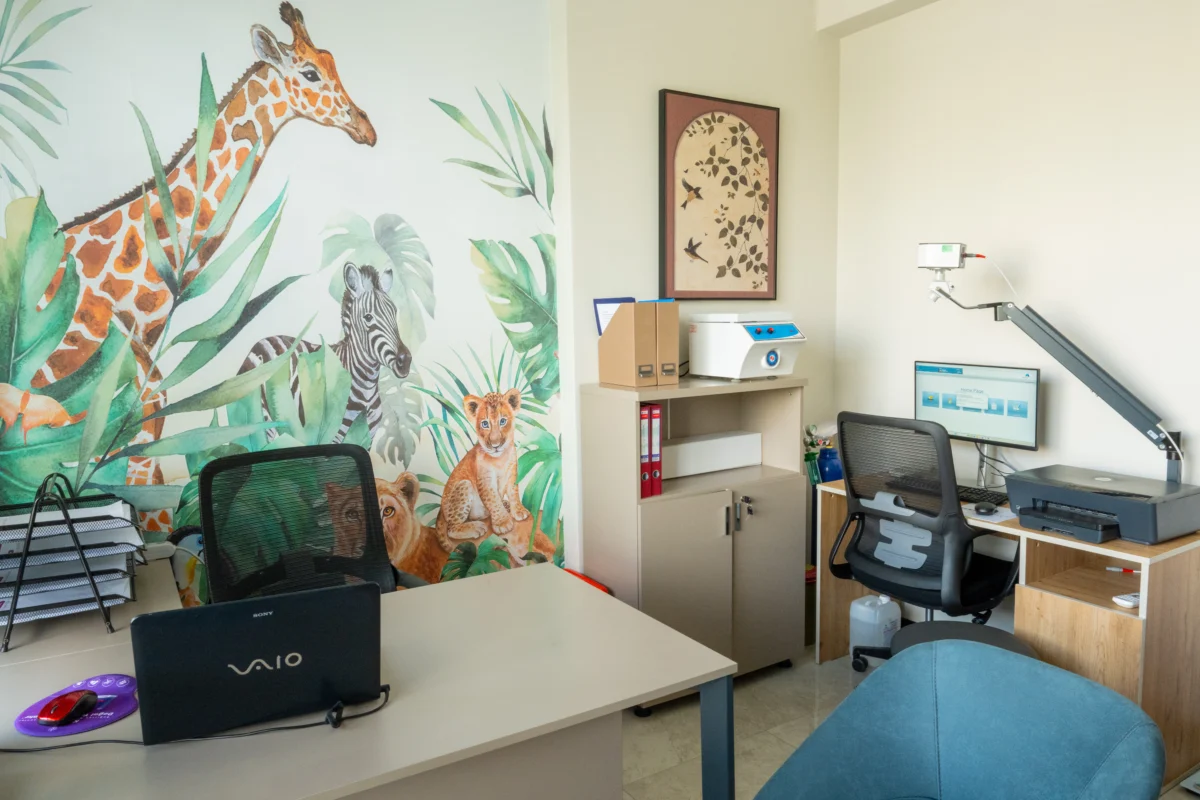
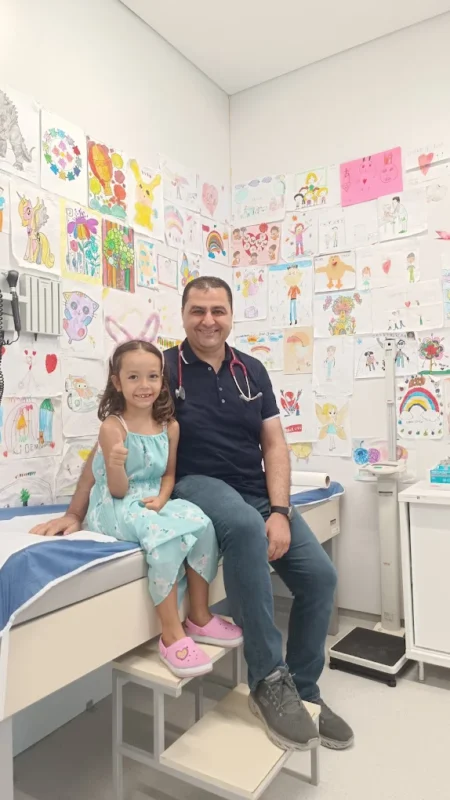
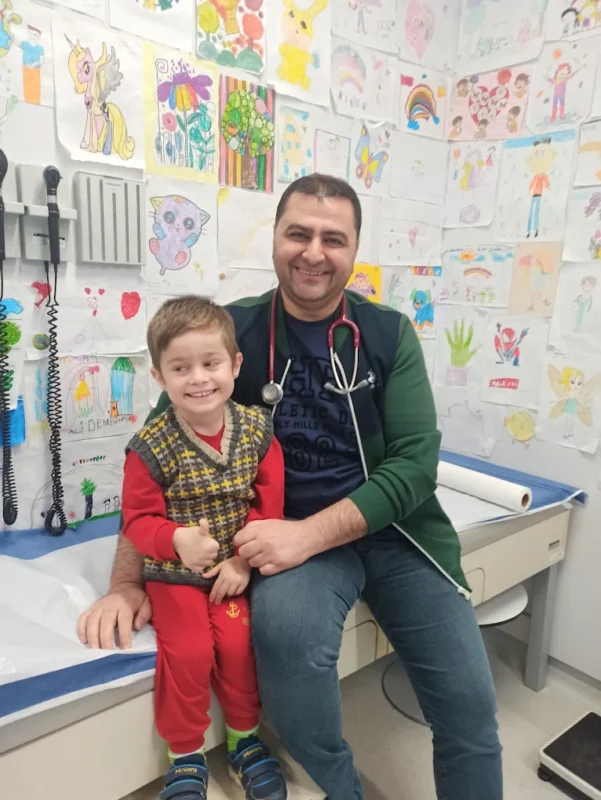
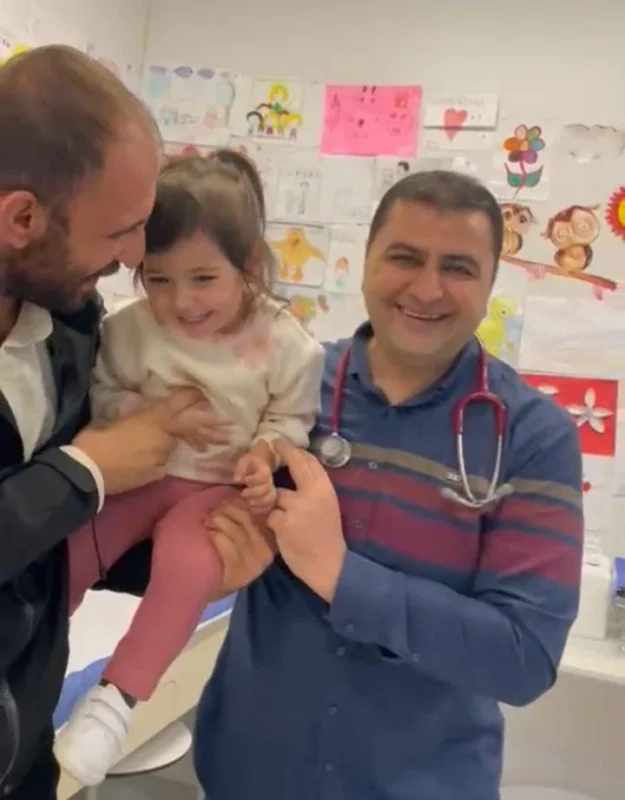
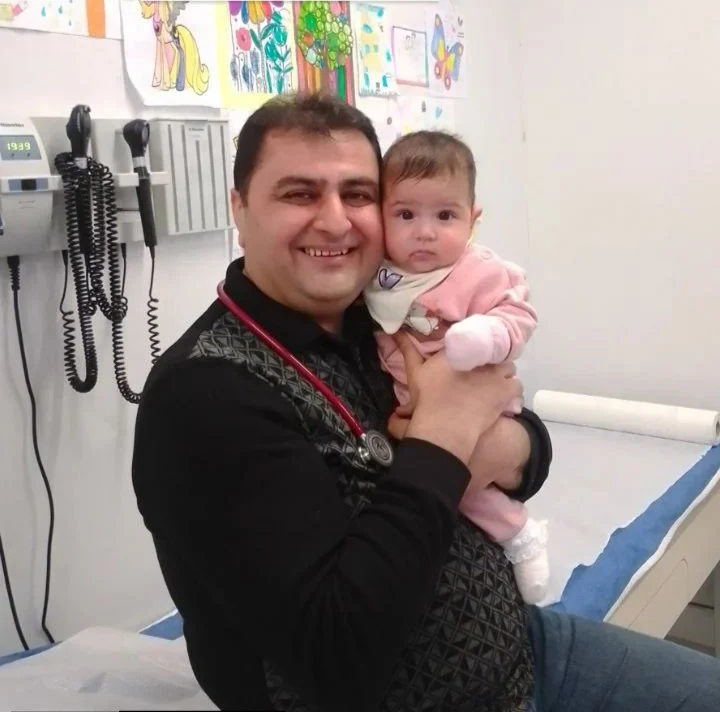
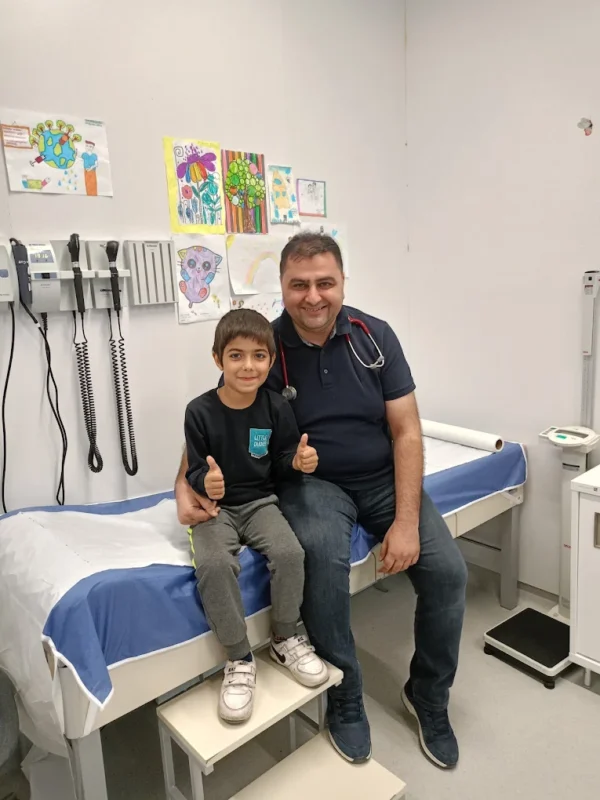
Images from Our Clinic
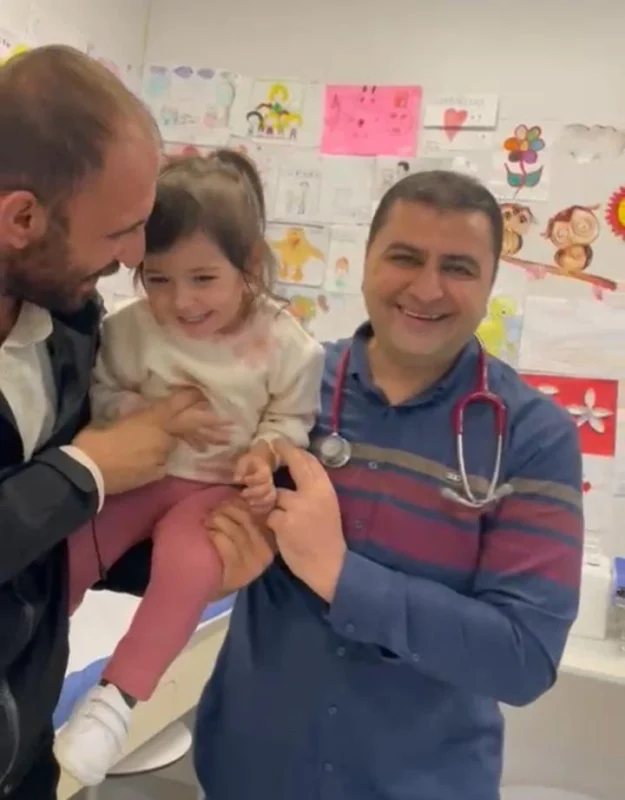
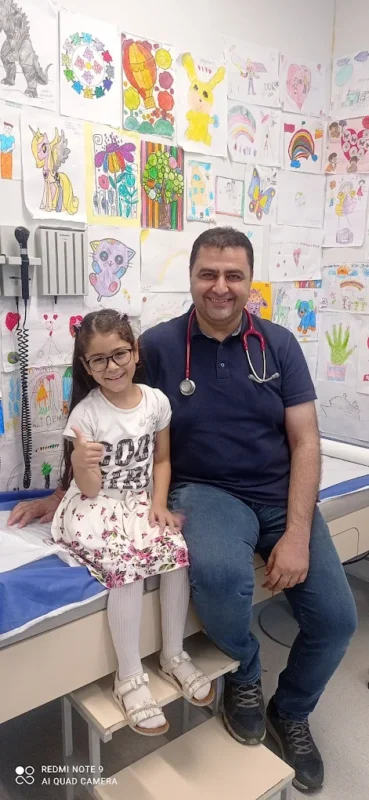
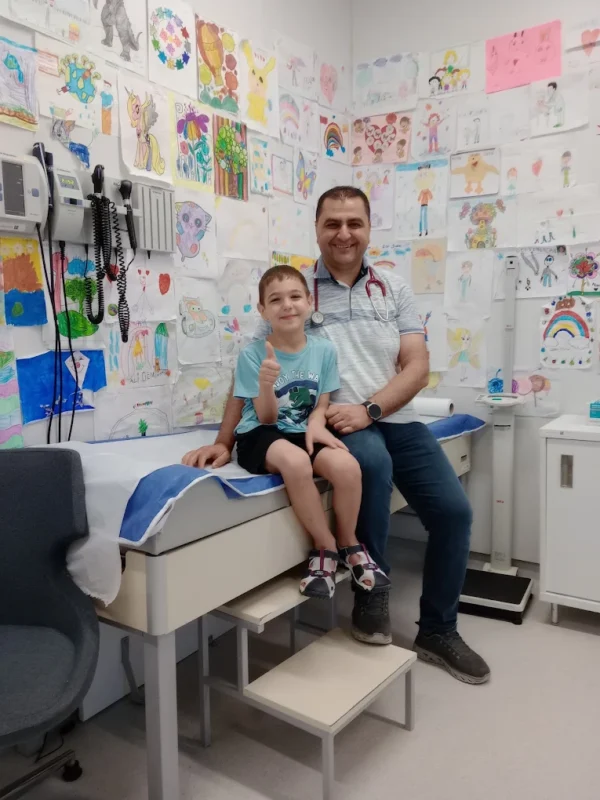
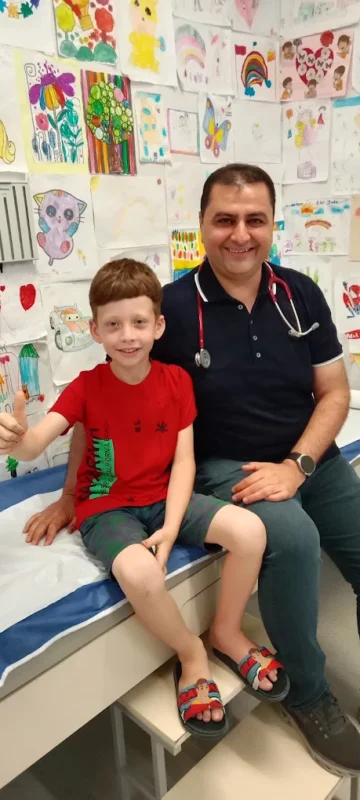
Frequently Asked Questions
Which diseases does a pediatric allergy and immunology specialist treat?
A pediatric allergy and immunology specialist is responsible for the diagnosis and treatment of allergic diseases such as drug allergies, asthma in children, allergic rhinitis (hay fever), atopic dermatitis (eczema), food allergies, drug allergies, and bee allergy, as well as immunological conditions such as primary immune deficiencies, recurrent infections, autoinflammatory diseases, and immune system disorders. This specialty provides a comprehensive approach to ensure the proper functioning of the immune system in children and to control allergic reactions.
At what age do allergy symptoms appear in children?
Allergy symptoms usually appear in infancy, especially with the introduction of complementary foods. However, in some children, allergic diseases may first appear during school age or adolescence.
How is weakness of the immune system understood in children?
Frequent recurrent infections, illnesses that do not resolve despite antibiotics, and growth retardation are among the most important signs of immune system weakness. In such cases, an evaluation by an immunology specialist is required.
How are pediatric allergy tests performed?
Pediatric allergy tests are applied to measure the immune response to the substance causing the child’s allergy and are generally performed by two main methods: the skin prick test and a blood test (specific IgE test). In the prick test, allergen drops are placed on the child’s arm or back and pricked with an applicator to observe the reaction. In the blood test, the immune response to allergens is measured in the laboratory from the child’s blood sample. The specialist physician decides which test to perform according to the child’s age, clinical condition, and suspected allergy.
How should children with food allergies be fed?
Children diagnosed with food allergy should completely avoid allergenic foods. The diet should be planned jointly by a pediatric allergy specialist and a dietitian, and nutritional deficiencies should be carefully monitored.
Why is allergy control important in children with asthma?
Continuous exposure to allergens increases asthma symptoms. Therefore, allergy control is of great importance to prevent exacerbations of asthma and improve the child’s quality of life.
Are immune system diseases hereditary?
Some primary immune deficiencies can be genetic. Therefore, if there are similar histories in the family, early diagnosis and genetic evaluation are of great importance for the child’s health.
How should the home environment be arranged for allergic children?
Allergens such as dust, mold, and cigarette smoke should be reduced at home. Bedding should be washed frequently, carpets and plush toys should be minimized, and the house should be ventilated regularly.
Can children with allergies be vaccinated?
Yes, most allergic children can be vaccinated safely. However, in special situations such as egg allergy, an evaluation by a pediatric allergy specialist should be made before vaccination. If necessary, the vaccine is administered under observation.
How long does allergy treatment last in children?
The duration of allergy treatment varies depending on the child’s age, the type of allergen, and the severity of the disease. Some treatments are short-term, while methods such as immunotherapy may last several years.
Which non-surgical treatments does Dr. Ali Demirhan apply?
Adenoid hypertrophy, especially common in childhood, is a condition caused by excessive growth of the lymphoid tissue located behind the nose. This enlargement can lead to complaints such as nasal congestion, mouth breathing, snoring, sleep apnea, ear infections, and hearing loss. The treatment approach is planned individually, and non-surgical approaches provide comfort in the majority of patients.